Dzine AI
Create precise images, videos, and talking photo avatars.
About Dzine AI
Advertiser Disclosure: Futurepedia.io is committed to rigorous editorial standards to provide our users with accurate and helpful content. To keep our site free, we may receive compensation when you click some links on our site.
Key Features
- Layer Based Composition Canvas: Drag and drop objects as layers, position and resize them, sketch guides, and control the final layout before generating the AI render.
- Predefined Styles And Prompt Assistant: Curated style presets and the Dzine Assistant (built on GPT style tech) turn rough ideas into full prompts, reducing the need for prompt engineering skills.
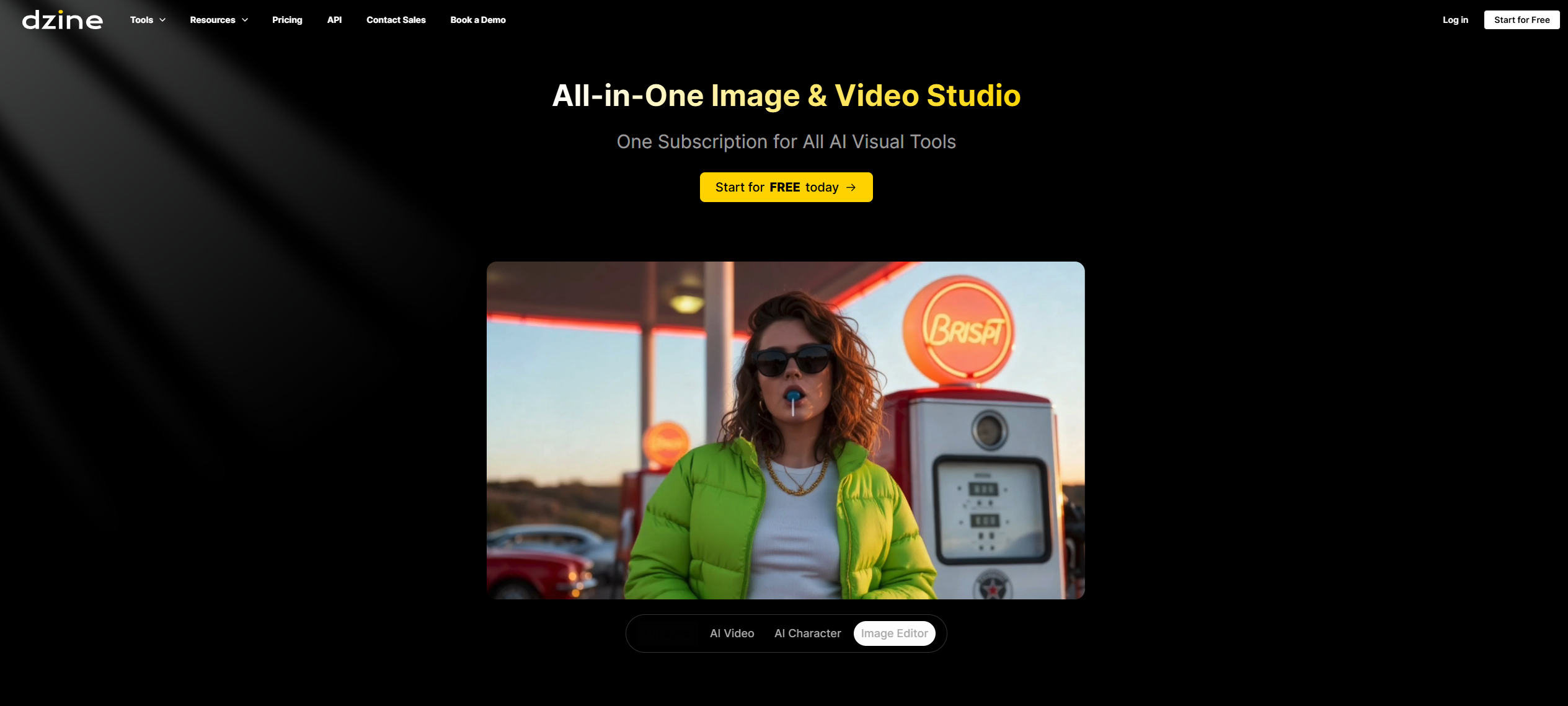
- All In One Image And Video Generation: Supports text to image, image to image, text to video, and image to video, including story video maker flows and product focused ad templates.
- Lip Sync Avatars With Multi Person Support: Converts photos or boards into talking videos with natural lip sync and even multi speaker conversations in a single clip.
- Local Editing, Insert, Erase, And Enhance: Tools such as AI eraser, insert object, expand, face swap and repair, and one click Enhance clean up faces, hands, and artifacts without leaving the editor.
Pros
- Layout Control: The layer-based canvas makes it easier to direct composition and placement before generating, which feels closer to real design work than prompt-only tools.
- All In One Studio: Image generation, video generation, and lip sync avatars live in the same workspace, so teams can keep a project moving without bouncing between apps.
- Beginner Friendly Results: Style presets and the prompt assistant help non-technical users get usable outputs faster, with less trial and error.
- Model Choice: Support for multiple underlying models gives creators flexibility to prioritize speed, detail, or a specific look depending on the task.
- Low Setup Overhead: Browser-based workflows mean most users can start creating on standard hardware without installs or a dedicated GPU machine.
Cons
- Credits Can Go Fast: Video, lip sync, and higher-end models may burn through credits quickly for heavier production workloads.
- Generation Queues: During peak demand, longer or stalled video renders can slow down time-sensitive content schedules.
- Limited Native Integrations: Fewer direct connections to tools like Adobe apps, Figma, or social scheduling platforms can add manual export and upload steps.